
About Us
We are dedicated to preserving the historical legacy of Chandannagar by collecting, digitizing, and organizing rare documents, photographs, maps, and official records.
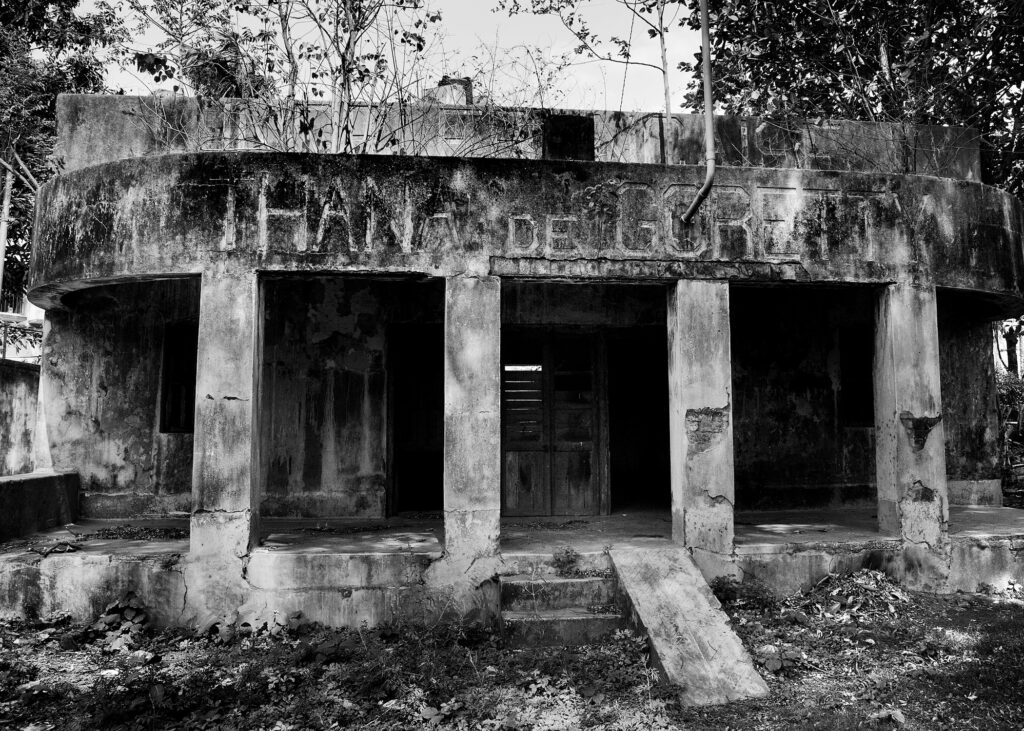
Chandannagar Archive refers to the collection of historical books, periodicals and documents preserved at the Chandernagor Heritage Museum. This Archive includes a digitized collection of books , periodicals (English/Bengali/Hindi/Japanese/French) spanning from 1757 to 2025, on a wide range subjects. The archive stationed at Chandannagar, a city that was a French Colony on the Hooghly River and plays a significant role in Colonial Culture in Bengal.
Key details about Chandannagar Archive :
- The archive is primarily part of the Chandernagor Heritage Museum, a historical institution in Chandannagar.
- It holds materials dating 1753 to 2025, digitized in a recent project.
- The Archive reflects the rich colonial, cultural, and commercial history of the region during French rule and after.
This Archive is valuable for research on colonial Bengal, French India, the Japanese contacts and the cultural history of Chandannagar.
HOW TO REQUEST COPIES OR REPRODUCTION PERMISSIONS FROM THE CHANDANNAGAR ARCHIVE :
The Chandannagar Archive can be contacted through the Chandernagor Heritage, the Rash Behari Research Institute and the Radhanath Himalayan Museum which are located on Bagbazar Road, Aaanda Cottage, GIRI-DOOT Bedi, Chandannagar, 712136. The email address :Kalyan.chakrabortty@gmail.com
Chandannagar Archive’s key aims –
- PreservingChandernagor records.
- Making significant archival collections accessible to the public to research enjoyment, and to shed light on personal and shared histories,
- Promoting the value of Chandannagar.
- Raising awareness about the importance of effective record keeping.
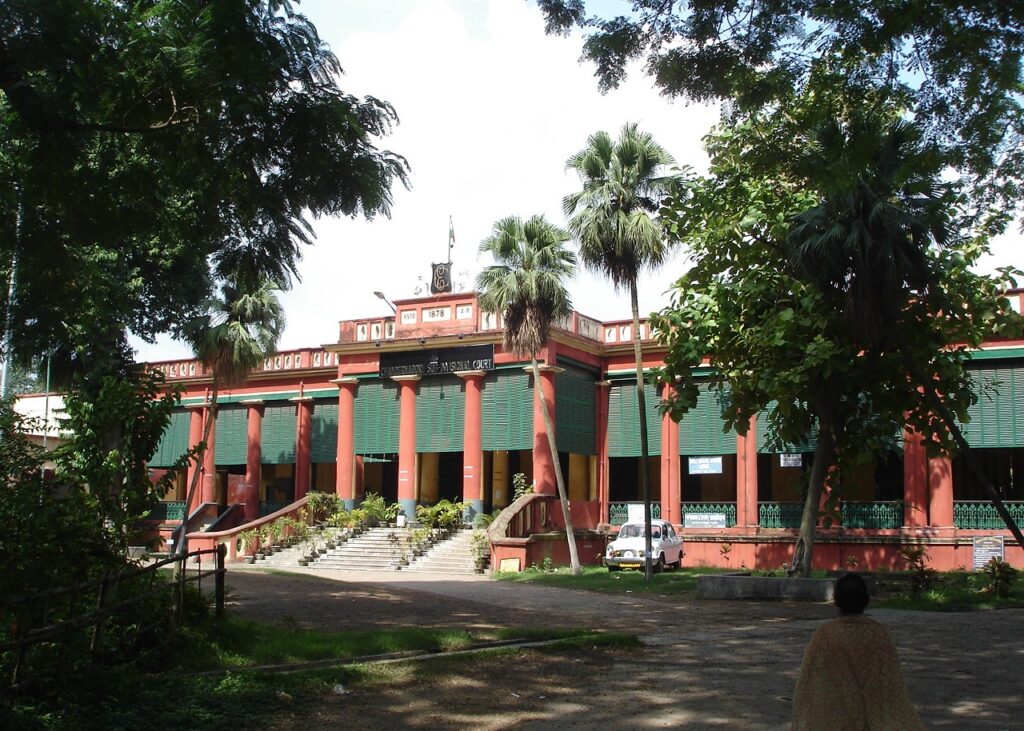
In a long term vision, Chandannagar Archive aims to becoming living, digital, inclusive and sustainable repositories that widely serve society and future generations by preserving Chandannagar records comprehensively.
Key Steps in Creating a Digital Archive
Creating a digital archive involves a series of well-planned steps that ensure the preservation, accessibility, and management of digital content. Each step is crucial for maintaining the integrity of the archived materials and making them accessible to a broad audience. Here are the key steps in creating a digital archive:
Selection of Materials:
The first and most critical step in creating a digital archive is deciding which materials to include. This process is often called appraisal and involves identifying which items hold the most value for preservation and future use. Common selection criteria include:
- Historical and cultural value: Materials that represent significant historical events or cultural importance are often prioritized for archiving.
- Research significance: For academic institutions, research papers, theses, dissertations, and rare books are prime candidates for digitization.
- Condition of physical items: Materials that are deteriorating or fragile may need to be digitized to prevent further damage and preserve their content for future generations.
This careful selection process helps manage resources and ensures that the most important materials are preserved and digitized first.
The Digitization Process:
Once the materials are selected, they undergo digitization—converting physical items into digital formats. This step is the core of creating a digital archive and involves several technical processes:
- Scanning documents: Printed materials like books, manuscripts, or photographs are scanned using high-resolution scanners. Optical character recognition (OCR) technology is often employed for text-heavy documents to make the text searchable.
- Digitizing multimedia: Audio recordings, videos, and other non-text materials are digitized using specialized equipment. Maintaining high quality during this process is crucial, particularly for rare or fragile items.
- Quality control: After digitization, the digital files are reviewed for accuracy, completeness, and clarity. This ensures that the digitized versions match the quality and details of the original items.
High-quality digitization ensures that the materials remain usable and accessible to future users while preserving their integrity.
Metadata Creation:
Metadata is the backbone of any well-organized digital archive. It provides essential information about each digitized item, such as its title, author, creation date, and subject. Metadata helps users search for and retrieve the items they need. There are several types of metadata:
- Descriptive metadata: This includes information like the title, creator, and description, which helps users locate items in the archive.
- Administrative metadata: This records details about the management of the item, such as file format, size, and date of digitization.
- Technical metadata: This includes information about the digitization process itself, such as the equipment used, file resolution, and format.
By creating comprehensive and consistent metadata, institutions can ensure the digital archive remains searchable and navigable over time. Metadata standards such as Dublin Core and METS are often used to maintain uniformity across archives.